How Retail Investors Are Getting Exposure to Oil Markets Online
Oil is one of the most important commodities in the global economy.
It influences inflation, geopolitics, transportation costs, and the price of energy worldwide. Every day, billions of dollars flow through oil markets as governments, hedge funds, and energy companies trade contracts tied to crude oil prices.
But for most everyday investors, oil has always felt like a market that was out of reach.
Many people who follow global news and energy markets have wondered the same thing:
“If oil prices move so much… how do regular investors actually participate?”
For a long time, the answer wasn’t simple.
→ → GO TO ByBIT
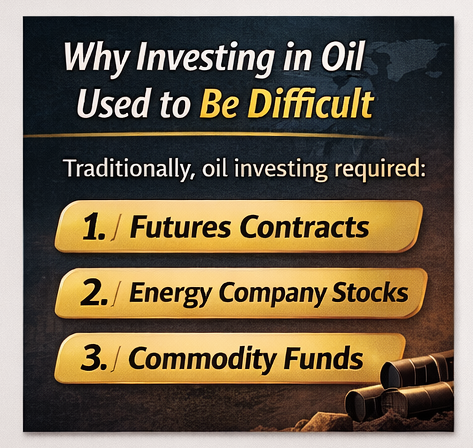
Why Investing in Oil Used to Be Difficult
Traditionally, gaining exposure to oil required one of the following:
1. Futures Contracts
Professional traders often use oil futures, which are agreements to buy or sell oil at a specific price in the future.
These contracts can control very large amounts of oil, which means they often require significant capital and experience to trade safely.
2. Energy Company Stocks
Another option is buying shares in oil companies such as producers, refiners, or exploration firms.
While this can give indirect exposure to the energy sector, company stocks are influenced by many other factors beyond oil prices.
3. Commodity Funds
Some investors use commodity ETFs or funds that track oil markets, but these can have fees and sometimes behave differently than the underlying commodity.
Because of these limitations, many people interested in oil markets simply never entered the space.
→ → GO TO ByBIT
The Rise of Digital Commodity Trading
Over the past several years, financial markets have changed dramatically.
Online trading platforms have made it possible for individuals to access markets that were once limited to institutions.
Today, many platforms allow users to trade the price movements of various assets through digital accounts, including:
-
cryptocurrencies
-
currencies (forex)
-
gold and other commodities
-
derivatives tied to global markets
This means investors no longer need to manage complex futures contracts or large brokerage accounts to observe and participate in price movements.
Instead, they can open positions that track the value of an asset.
→ → GO TO ByBIT
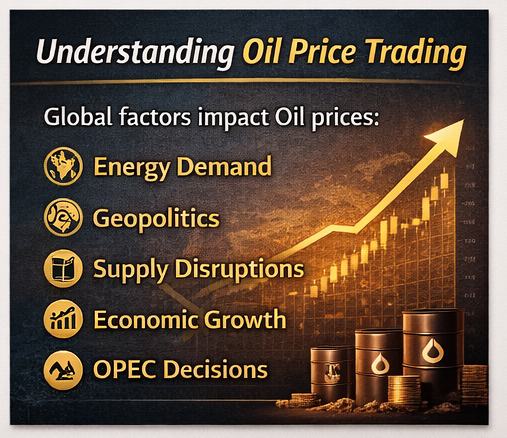
Understanding Oil Price Trading
When people talk about “trading oil,” they are usually referring to speculating on the price movement of crude oil benchmarks such as:
-
Brent Crude
-
West Texas Intermediate (WTI)
Traders attempt to anticipate whether prices will move up or down based on factors like:
-
global energy demand
-
geopolitical tensions
-
supply disruptions
-
economic growth
-
OPEC production decisions
If a trader believes oil prices will rise, they may open a long position. If they believe prices will fall, they may open a short position.
The goal is to capture price movement rather than own physical barrels of oil.
→ → GO TO ByBIT
The Role of Leverage
Many trading platforms offer something called leverage, which allows traders to control a larger position using a smaller amount of capital.
For example:
A trader might open a position representing $1,000 worth of oil exposure while only committing a smaller amount of funds.
Leverage can increase potential gains but also increases risk, which is why experienced traders emphasize careful risk management.
Anyone considering leveraged trading should fully understand the risks before participating.
→ → GO TO ByBIT
Platforms That Offer Digital Market Access
One platform that many traders use for accessing global digital markets is Bybit.
Originally known for cryptocurrency derivatives, the platform has grown into a broader trading environment where users can interact with multiple markets through a single account.
Some features often mentioned by users include:
-
a straightforward trading interface
-
advanced charting tools
-
mobile and desktop trading apps
-
a wide variety of tradable markets
-
24-hour global trading access
For people who are curious about digital market participation, these platforms can provide a way to observe how modern trading systems work.
→ → GO TO ByBIT
Why Some Investors Are Watching Oil Markets Again
Interest in oil tends to rise during periods when energy markets become a major topic in global news.
Events that often influence oil prices include:
-
geopolitical conflicts
-
shifts in global supply chains
-
production decisions by major exporters
-
economic expansions or slowdowns
Because oil plays such a central role in the global economy, price movements can attract attention from investors who normally focus on other markets.
→ → GO TO ByBIT
Exploring How Digital Oil Trading Works
For readers who are curious about how these trading platforms operate, the simplest approach is often to explore the interface and learn how markets are displayed.
Platforms like Bybit provide tools that allow users to view market charts, price movements, and trading mechanics directly.
Understanding how markets behave can be an educational experience for anyone interested in global commodities.
If you'd like to explore how digital oil trading platforms work and see how markets are structured, you can visit the platform here:
→ → GO TO ByBIT
Final Thoughts
Oil remains one of the most influential commodities in the world.
While traditional oil investing often required complex financial instruments, the growth of digital trading platforms has made market access more visible to everyday investors.
Whether someone ultimately chooses to participate or simply observe the markets, understanding how oil trading works can offer useful insight into how global financial systems operate.
→ → GO TO ByBIT